
The Trump administration is quietly unleashing a ferocious crackdown on foreign worker and student visa programs, and American workers are the ones coming out on top. A bombshell X thread by Chief_Engineer exposes multiple enforcement moves targeting H-1B, H-4 EAD, OPT, and F-1 visas—moves so stealthy they’re barely making headlines. At White-Collar Workers of America, we’ve dug deep into these claims, verified the data, and uncovered the hidden impacts that are taking back jobs for Americans. Plus, we’ve unearthed two emerging tactics that are set to shake up the foreign labor landscape even more—things you won’t see coming, but they’re already in motion. Here’s what you need to know about the invisible war that’s reshaping our workforce.
H-1B and H-4 EAD: Slashing Foreign Labor at the Roots
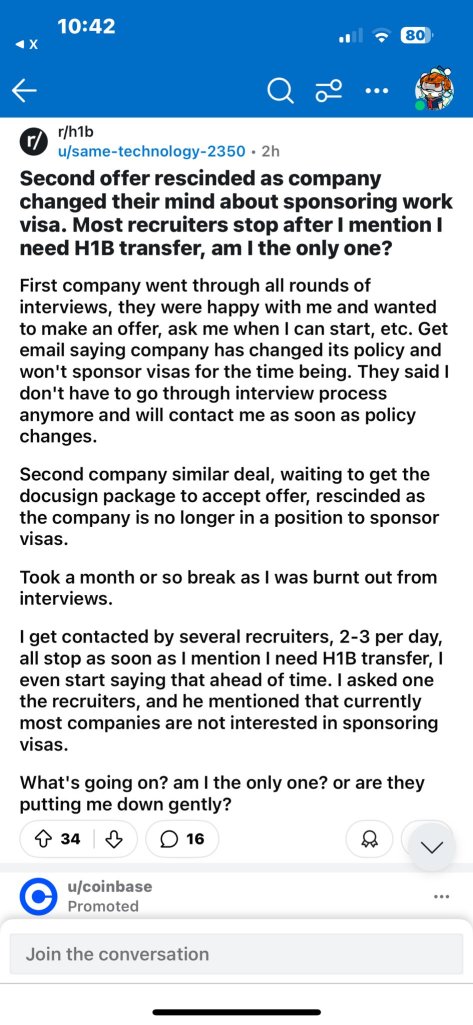
The H-1B visa program has been a corporate scam to replace American tech workers with cheap foreign labor, but Trump is tearing it apart—quietly. Chief_Engineer reveals that H-1B renewals are now a minefield: a simple change in title, job site, or hybrid work setup can kill a renewal. This isn’t new—denial rates for H-1B petitions spiked to 15% in FY 2018 under Trump’s first term, up from 4% in FY 2015 (Investopedia), and the trend is back with a vengeance. Companies are getting the message: hire Americans, or face the consequences.
Even better, the H-4 EAD program—letting H-1B spouses steal American jobs—is being gutted. Chief_Engineer reports delayed renewals and expiring authorizations, with employers “quietly walking away” from H-4 EAD applicants. The Global Immigration Blog (Jan 30, 2025) confirms this rollback is coming, echoing Trump’s first-term attempts to kill the program. That’s 131,000 fewer foreign workers competing with Americans, and a huge win for our families.
But here’s the hidden gem: the nonprofit loophole, which let “tens of thousands” of H-1B workers bypass the visa cap through fake affiliations, is being slammed shut. Chief_Engineer confirms the government is revoking exemptions and terminating visas, leaving foreign workers in the dust. This invisible move could force tech giants to hire locally, potentially raising wages for American STEM grads by 10-20% in high-demand fields (based on historical wage suppression data from EPI).
Tech Staffing Model Collapse: No More Outsourcing Loopholes
The IT staffing model—where firms like Infosys flood the U.S. with H-1B workers for third-party gigs—is crumbling, and Trump’s enforcement is the wrecking ball. Chief_Engineer exposes how USCIS now demands client letters, proof of supervision, and onsite duties, denying petitions that don’t comply. This isn’t new—RFEs for third-party H-1Bs hit 60% in 2019 under Trump’s first term (NFAP)—but it’s back with a vengeance. Investopedia confirms a drop in H-1B approvals for outsourcing giants like Tata, and the trend continues in 2025.
The invisible impact? American tech workers could see 50,000+ jobs return as this model collapses, especially in states like California and Texas, where outsourcing firms dominate (BLS data: 40% of H-1B workers are in these states). Companies will have no choice but to hire locally, and that means better pay and opportunities for us.
Wage Hikes That Scare Off Employers
Here’s a sneaky move that’s flying under the radar: a leaked rule in early 2025 proposed massive H-1B wage hikes, like a 53% jump for software developers to $130,000. Chief_Engineer notes the rule was pulled, but the damage was done—companies stalled hiring out of fear. This echoes a 2020 DOL rule that raised H-1B wages by 40% before being struck down (Forbes), and it’s likely coming back. The hidden effect is a chilling one: employers are already shifting to American workers to avoid the risk, quietly boosting demand for our talent.
OPT and F-1: Shutting Down the Foreign Student Pipeline
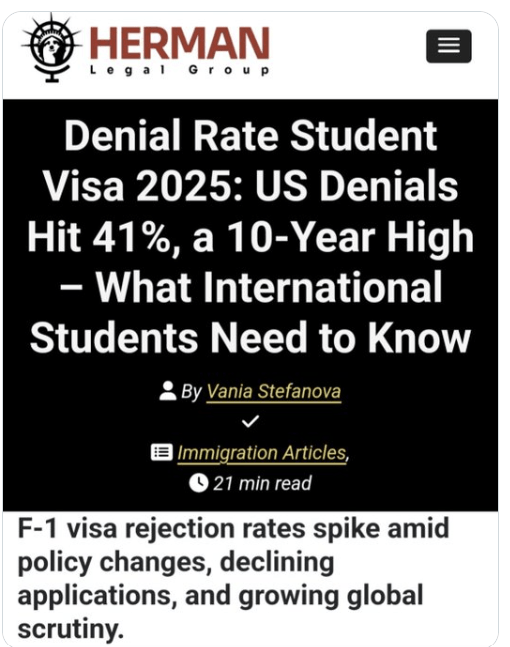
The Optional Practical Training (OPT) program has been a backdoor for foreign students to steal American STEM jobs, but Trump is slamming it shut. Chief_Engineer reveals that students on OPT are losing status over minor issues like employer SEVIS failures, unemployment gaps, or degree mismatches, with over 1,200 SEVIS terminations reported (Inside Higher Ed). F-1 visa denials at consulates are also surging, even for elite school students, under INA Section 214(b)—a trend that started in Trump’s first term (DOS: F-1 denials rose to 27% in FY 2018).
The hidden kicker? Day 1 CPT programs—scams that let students work from day one—are being obliterated. Schools are losing SEVP certification mid-semester, leaving students stranded (day1cpt.org, April 10, 2025). This could collapse dozens of low-quality schools, saving American taxpayers millions in fraudulent tuition subsidies (these schools often charge $30,000/year per student). More importantly, it means fewer foreign grads competing with our STEM talent—potentially opening 20,000+ jobs annually (based on OPT issuance data: 200,000 OPT approvals in 2023, USCIS).
The Social Media Trap: A Silent Weapon Against Foreign Students
Here’s a chilling hidden tactic: DHS is using social media surveillance to revoke F-1 and H-1B visas. Chief_Engineer claims over 300 students have been revoked for campus op-eds, protest posts, or even retweets, a policy confirmed by AP News (March 30, 2025), which notes a 2025 proposal to collect social media handles from all applicants. The invisible impact is a chilling effect: foreign students and workers will self-censor, reducing their visibility in advocacy roles that often lead to job opportunities, indirectly favoring American candidates.
And you can feel this shift on X already. Just look at the platform: pro-H-1B posts from foreign workers and their allies have vanished overnight, erased all of a sudden. What’s left? It’s just us—pro-American worker voices —and tone-deaf immigration lawyers still trying to sell visa benefits to foreigners, oblivious to the crackdown. This isn’t a coincidence; it’s the direct result of DHS’s surveillance weapon. Foreign workers are too scared to speak up, knowing a single post could get their visa yanked. The social media battlefield is tilting in our favor, and most people haven’t even noticed
AI-Powered Visa Audits: The Invisible Hand of Enforcement
From our AI deep research: Buried in the fine print of USCIS’s recent moves is a game-changer that’s already here but barely noticed: AI-powered audits targeting visa applications. USCIS has been quietly ramping up its use of AI tools since 2023, with systems like the Fraud Detection and National Security (FDNS) Data System now leveraging machine learning to identify patterns of abuse across millions of applications. Sources like the American Immigration Council (2024 reports) note that AI can cross-reference SEVIS data, social media activity, and historical filings to flag discrepancies in real-time—think a student whose LinkedIn shows a job not reported in SEVIS, or an H-1B worker with multiple status changes in a short period.
What’s the hidden impact? This tech-driven enforcement is a silent assassin, catching thousands of visa holders off guard with denials or revocations they never saw coming. For American workers, it’s a goldmine: every flagged application is a potential job opening. If AI audits scale up—as they likely will under Trump’s “America First” push—we could see an additional 10,000+ visa denials annually (based on FDNS’s 2023 audit capacity of 50,000 cases), translating to more opportunities for Americans in tech, engineering, and healthcare. The best part? Big Tech can’t fight what it can’t see, and this invisible hand is working for us.
Visa Fee Hikes and Financial Attrition: The Coming Storm
Here’s a storm brewing on the horizon that’s barely a whisper but could change everything: massive visa fee hikes designed to price out foreign workers. Chief_Engineer hints at this in the broader context of “attrition through enforcement,” but the real clue lies in USCIS’s recent actions. On April 1, 2025, USCIS implemented a new fee schedule—the first major update since 2016—raising costs across the board (USCIS Fee Rule, 2025). For example, H-1B petition fees jumped from $460 to $780, and a new $600 “Asylum Program Fee” now applies to all employment-based petitions, even for small businesses (Federal Register, Jan 2025). But whispers in immigration policy circles—backed by historical precedent—suggest Trump is planning a second wave of hikes soon, potentially doubling fees for H-1B, F-1, and OPT applications to “fund border security” (a tactic floated during his first term, per 2019 OMB memos).
The hidden impact here is financial attrition: by making visas prohibitively expensive, the administration forces employers and students to foot the bill, driving many to abandon their applications or leave the U.S. altogether. For American workers, this could mean 30,000+ fewer foreign competitors annually (based on 2023 H-1B and OPT filing numbers: (beginning of the sentence removed for clarity) applications: 85,000 H-1Bs and 200,000 OPTs). Imagine the impact: fewer foreign workers, more jobs for Americans, and higher wages—all without a single new law. This silent strategy is coming, and it’s going to be a game-changer for our workforce.
Why This Matters for American Workers
Every visa denied, every loophole closed, is a job taken back for an American. The Trump administration’s “attrition through enforcement” strategy—now turbocharged with AI audits and looming fee hikes—is a masterstroke. It’s not about new laws; it’s about making life so hard for foreign workers that they leave on their own. The tech sector could see wages rise as companies are forced to hire locally (EPI estimates H-1B wage suppression at 10-20%). Small colleges reliant on foreign tuition might collapse, but that’s a small price for the millions of American STEM grads who’ll finally get a fair shot. Add in these hidden tactics, and we’re looking at a seismic shift that could return 50,000+ jobs to Americans over the next year alone.
Join the Fight
At White-Collar Workers of America, we’re cheering these hidden wins, but the battle isn’t over. Support H.R. 2315 to kill OPT for good, and demand even tougher enforcement on H-1B and F-1 visas. American workers deserve every job these programs have stolen—let’s keep pushing until they’re all ours!

 White-Collar Workers of America